
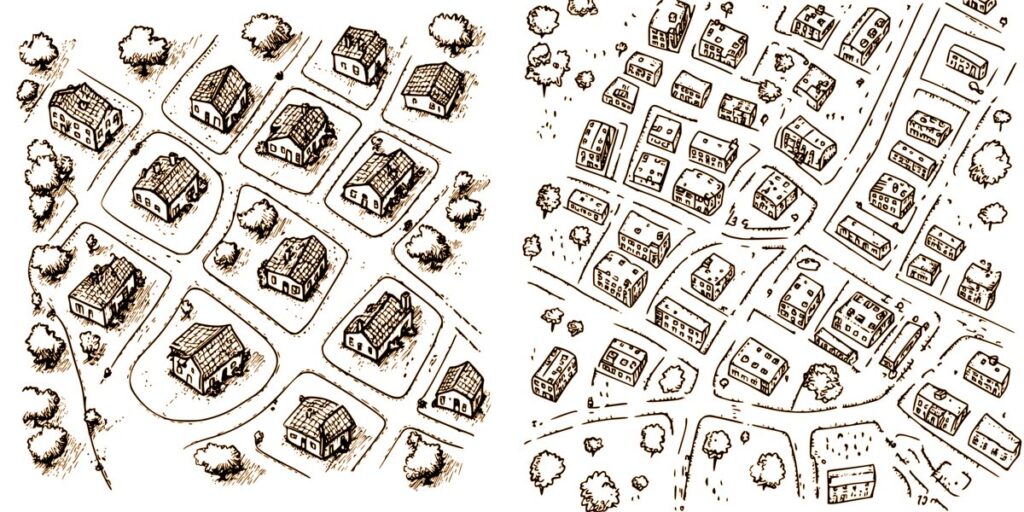
Nestled in the heart of South Tampa, Palma Ceia stands as a testament to community spirit, architectural charm, and a rich tapestry of history that continues to shape the lives of its residents. With its tranquil oak-lined streets, vibrant community traditions, and enduring landmarks, Palma Ceia offers a glimpse into Tampa’s past while embracing the energy of modern life. Whether you’re strolling down Bayshore Boulevard or enjoying a cup of coffee along MacDill Avenue, there’s a story at every corner of Palma Ceia waiting to be told.
Origins: The Birth of a Neighborhood
Palma Ceia’s beginnings date back to the early 20th century, during a time when Tampa was booming with new arrivals and growth. The story of how Palma Ceia got its name is a blend of fact and folklore; the prevailing legend traces it to the travels of Angel Cuesta, a Cuban cigar magnate, who was inspired by the scenic "Palma Ceia" hills outside Havana. When developers needed a name for the highly anticipated subdivision just south of Hyde Park, the evocative “Palma Ceia” was chosen—evoking both Florida palmettos and the gentle, rolling land along Tampa Bay.
The neighborhood’s development officially began in the 1920s, spearheaded by entrepreneurs drawn by the streetcar line that made the area accessible. Grand homes and bungalows began to rise along tree-shaded streets like San Miguel, Esperanza, and Granada. Early residents enjoyed a suburban escape with easy access to downtown Tampa.
Key Historical Milestones
Palma Ceia’s growth mirrored Tampa’s. By the late 1920s, elegant Mediterranean Revival and Craftsman-style homes dominated the landscape. The neighborhood survived the Great Depression and, like much of Tampa, surged again in the post-WWII years as families sought peaceful enclaves away from the city bustle.
Noteworthy Moments:
- In 1926, the Palma Ceia Golf & Country Club opened its doors, quickly becoming a social and recreational hub for residents. The club’s lush greens remain a centerpiece today, with the iconic stately clubhouse standing as a reminder of Palma Ceia’s enduring spirit.
- Bayshore Boulevard, Palma Ceia’s eastern boundary, was completed in the 1920s and became famous for its sweeping sidewalk—still the longest continuous sidewalk in the world—offering dramatic views across the bay.
- The neighborhood’s brick streets, many of which are still intact, pay homage to the craftsmanship and vision of its early designers.
Notable Landmarks and Beloved Institutions
Palma Ceia is dotted with architecturally significant buildings and community touchstones.
- Palma Ceia Golf & Country Club: At the heart of the neighborhood, this institution has welcomed generations of Tampa families. Its historic course, designed by Donald Ross, hosts countless charity events and tournaments.
- Palma Ceia United Methodist Church: Located on Himes Avenue, this church has offered sanctuary and community programs since the 1940s, making it a pillar for neighborhood families.
- The Shops of Palma Ceia: At the corner of MacDill Avenue and Bay to Bay Boulevard, the local boutiques and cafes reflect the area’s enduring village feel—favorites like Datz, Piquant, and Buddy Brew Coffee offer everything from French pastries to craft brews.
- Hyde Park Span: While Palma Ceia enjoys its own tight-knit character, it’s closely linked to neighboring Hyde Park. The historic connection is especially evident along Armenia Avenue and Swann Avenue, where early 20th-century architecture provides continuity with Tampa’s oldest districts.
Green Spaces and Scenic Streets
Palma Ceia is also known for its walkability and urban oasis-like beauty. Parks like Palma Ceia Park and Friendship Park provide green relief amid city life, and the canopy of oaks along streets like Morrison Avenue and Santiago Street create a signature, tranquil setting for walkers, cyclists, and families.
Brick streets, another hallmark of old Tampa neighborhoods, run through areas like West San Miguel Street, telling the tales of a past where craftsmen labored with care and skill. These historic bricks, preserved even as the city has modernized, give Palma Ceia its warm, timeless aesthetic.
Evolution Through the Decades
Through every decade, Palma Ceia has gracefully evolved while protecting its foundational character. In the boom years following WWII, smaller cottages were replaced by larger, single-family homes. The neighborhood’s stable property values and top-tier school zones, such as Roosevelt Elementary and Plant High School, have kept generations anchored here.
During the late 20th century, Palma Ceia attracted a younger crowd of professionals and families, drawn by the neighborhood’s charm, central location, and lively local businesses. The mid-century saw a mix of careful renovation and tasteful new construction, resulting in a patchwork of eras and styles: from Spanish-tiled roofs to crisp, modernist profiles.
In recent years, initiatives by the Palma Ceia Neighborhood Association, along with efforts to preserve historic streetscapes and buildings, have kept development in harmony with tradition. Residents take pride in maintaining lush landscaping, participating in seasonal festivals, and supporting local artisans.
What Makes Palma Ceia Special Today
Ask any longtime resident what sets Palma Ceia apart, and you’ll likely hear about its unique blend of history, hospitality, and livability. The neighborhood thrives on neighborly warmth: block parties, porch gatherings, and the everyday waves between joggers and dog walkers.
Its streets are living history, with each brick and building telling a story—of Spanish revival dreams, of mid-century optimism, of quiet resistance to the hurried march of time. The view from Bayshore Boulevard never gets old, whether you’re running at sunrise or strolling at sunset.
Palma Ceia lives in the tastes of its landmark dining spots, the traditions of its schools and clubs, and the preserved beauty of its parks and homes. It is Tampa’s past and future—woven together underneath a canopy of Southern oaks.
Come for the history. Stay for the heart.